



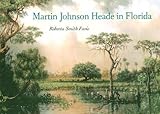
Roberta Smith Favis. Martin Johnson Heade in Florida. Gainsville: University Press of Florida, 2003. 184 pp. $29.95 (cloth), ISBN 978-0-8130-2661-9.
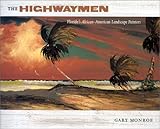
Gary Monroe. The Highwaymen: Florida's African-American Landscape Painters. Gainesville: University Press of Florida, 2001. 128 pp. $34.95 (cloth), ISBN 978-0-8130-2281-9.
Reviewed by Robert L. Papy (Visual Artist and Art Educator)
Published on H-Florida (December, 2005)
Facets of Florida's Art Legacy
Roberta Smith Favis's fascinating account of the artist Martin Johnson Heade and his body of work deftly weaves together biographical information with relevant Florida history. Favis is acutely aware of the factors which cause an artist to be shaped and evolve stylistically, and her attention to these myriad dimensions is coupled in her book with a sharp eye toward art criticism and the formal elements of painting. Well-researched and thorough, her book impresses by maintaining the humanity and character of Heade while consistently providing background information regarding his career within the unique context of late-nineteenth- and early-twentieth-century Florida.
Favis's introduction quite superbly lays out the historical foundation for a spirit and idealism (artistic and otherwise) which could well be called uniquely Floridian. From outlining the career of an artistic predecessor to Heade's time in Florida, such as Thomas Moran, to tracing the views and attitudes about Florida and its potential through the late 1800s, Favis makes the reader privy to information which ultimately enriches our understanding of the images contained within. As the book progresses, one learns more about the artistic and life philosophies of Heade and fellow artists who influenced and were influenced by him, such as his younger contemporary and friend Frederic E. Church. Heade's extensive travels to places such as South America are addressed, and the influence they had on his view of nature and its connection to art then become apparent.
Of special interest to a reader interested in Florida is the material regarding Henry Flagler and the burgeoning growth of the St. Augustine area, as Flagler and many people from the northern United States began to view Florida as not only viable, but a wondrous and beautiful destination. As he commissioned several important works from Heade, the relationship which developed between Flagler and the painter as patron and artist is detailed by Favis. Against a backdrop of Heade's delight with such success, the reader is made aware of the apprehension he felt about the related economic development potentially threatening the natural beauty of Florida itself. This is a perfect example of how well-rounded and multifaceted Favis's book truly is.
A historical and visual feast for the reader is what lies inside the covers of this work on Heade's life: the inherently connected and changing Florida in which he ultimately lived, and what his work means to Floridians and art-lovers worldwide. The color plates are not to be missed, and this exceedingly well-conceived book should be appreciated by many diverse people over time.
Jumping ahead to a much more recent time in Florida's art history is the book chronicling the Highwaymen of the late 1950s and 1960s. Gary Monroe familiarizes the reader with the origins and aims of these African-American dreamers and painters who manifested commercial and artistic success in the most unlikely atmosphere of segregated Florida. Monroe's writing style is accessible, yet filled with art history information, quotes from the artists, and background details on Florida's culture of the time.
These artists, originally from the Fort Pierce area, were dubbed the "Highwaymen" because they drove up and down the east coast of Florida to sell their work. Monroe's research and accounts from the painters themselves show that residents of many walks of life were receptive to and welcomed the vibrant imagery they saw. The landscapes conjured up feelings of connection to the tropical environs shared by Floridians, as well as to the energy and overall positivity conveyed by the artists themselves--Alfred Hair allowed for the vivid aesthetic to be widely accepted and purchased. Monroe addresses popular misconceptions about the ways in which the Highwaymen conceived of and executed their paintings, and the variety of source materials he employs help the reader understand the relevance of the artists' process and ultimate influences on art history.
Monroe sums up the intriguing and informative account of this relatively loose coalition of some twenty-five male artists and one female artist by bringing the reader to an understanding of where some of them are today in their lives. He points out that few, if any, of the original group who survive today live amidst opulence. However, their legacy, which is steeped in Florida's natural beauty and closely connected tropical visions of possibility, is apparent in the exquisite color reproductions which comprise about two-thirds of the book. This is a factual and visual work which should appeal to all students of Florida history, art, and the human spirit.
If there is additional discussion of this review, you may access it through the network, at: https://networks.h-net.org/h-florida.
Citation:
Robert L. Papy. Review of Favis, Roberta Smith, Martin Johnson Heade in Florida and
Monroe, Gary, The Highwaymen: Florida's African-American Landscape Painters.
H-Florida, H-Net Reviews.
December, 2005.
URL: http://www.h-net.org/reviews/showrev.php?id=10986
Copyright © 2005 by H-Net, all rights reserved. H-Net permits the redistribution and reprinting of this work for nonprofit, educational purposes, with full and accurate attribution to the author, web location, date of publication, originating list, and H-Net: Humanities & Social Sciences Online. For any other proposed use, contact the Reviews editorial staff at hbooks@mail.h-net.org.

